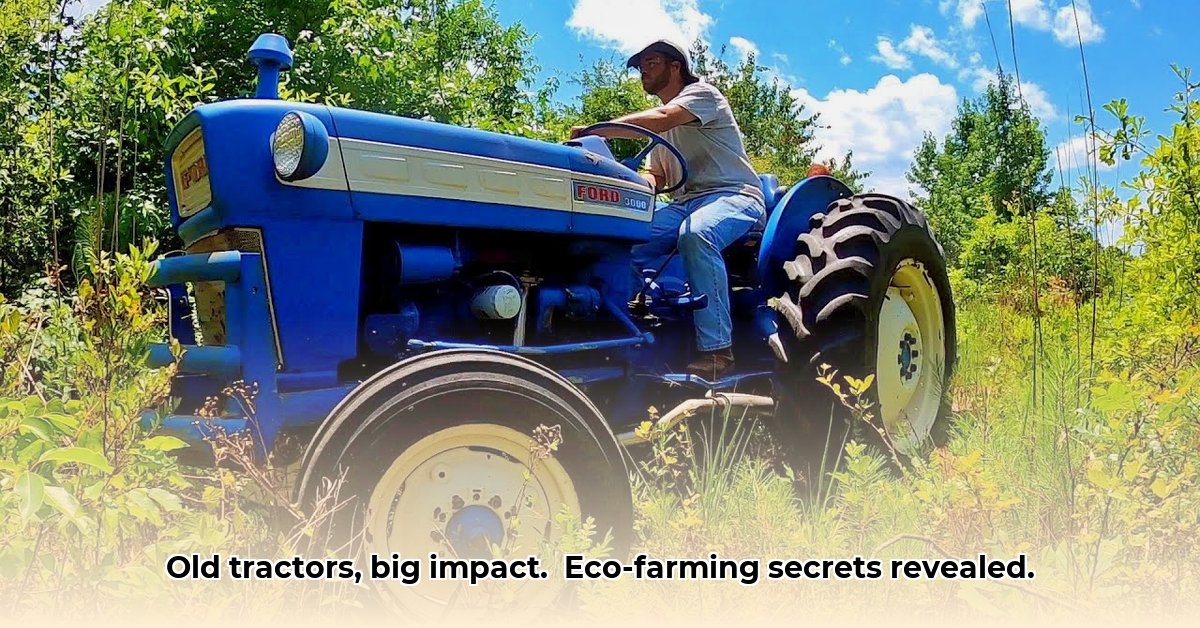
The Allure and Challenges of Antique Farm Equipment
Farming with vintage tractors evokes a romantic image: sun-drenched fields, the rhythmic chug of an engine, a connection to agricultural heritage. But is this nostalgic approach a practical, eco-friendly method for modern farming? This case study examines the viability of using antique tractors, focusing on the experiences of Brian Krog, a farmer who operates a 900-acre farm (location withheld for privacy) using primarily vintage equipment. We'll analyze the benefits, drawbacks, and practical considerations involved, offering actionable insights for those considering this alternative approach. Is it a sustainable solution, or a charming but ultimately impractical ideal? For more on vintage John Deere tractors, check out this resource.
Key Takeaways:
- Potential Fuel Efficiency: Vintage tractors can offer significant fuel savings compared to modern models. Many farmers report substantially lower fuel consumption.
- Reduced Manufacturing Impact: Using existing equipment reduces the demand for new tractor production, minimizing manufacturing's environmental footprint.
- Maintenance and Repair Challenges: Maintaining antique tractors demands specialized skills and access to parts, which can be time-consuming and costly.
Fuel Efficiency and Environmental Considerations
One of the most compelling arguments for vintage tractors is fuel efficiency. Many farmers, including Brian Krog, report significant reductions in fuel consumption, leading to direct cost savings and a lower carbon footprint. This aligns with the growing demand for sustainable agricultural practices. However, Dr. Emily Carter, Professor of Chemical and Biological Engineering at Princeton University, cautions that, "While fuel efficiency is a key advantage, a complete environmental assessment must also consider the type of fuel used and its lifecycle emissions." This nuanced perspective is crucial: a tractor may use less fuel, but the fuel's source and production method significantly influence its overall environmental impact.
Aren't lower fuel costs appealing? The potential for significant savings is undeniable, but are there hidden costs?
Maintenance, Repair, and Parts Acquisition
The reality of using antique tractors involves significant maintenance and repair challenges. Finding replacement parts can be difficult and time-consuming, often requiring extensive searches through online marketplaces, specialized dealers, and even parts recyclers. Brian Krog's restoration of his grandfather's 1948 John Deere exemplifies the challenges – his search for a replacement carburetor involved months of dedicated effort. "The hunt for parts is a significant undertaking," says Krog, "requiring both patience and ingenuity." This need for specialized skills and resources is a critical factor to consider when evaluating this farming model. Will you have the necessary skills, or will you need to invest in training?
Labor Requirements and Technological Limitations
Brian Krog’s success is partly attributed to the readily available labor provided by his family. However, this highlights a significant limitation: the labor-intensive nature of operating and maintaining antique tractors might hinder larger-scale operations, unless substantial investments are made in specialized labor and training. Furthermore, modern precision farming techniques often rely on technology and automation not found in vintage tractors. This technological gap necessitates careful planning and potentially supplementing antique tractors with appropriate modern tools.
Actionable Steps and Risk Assessment
Actionable Steps for Evaluating Antique Tractor Farming:
- Comprehensive Parts Inventory: Maintain a detailed record of all parts, assessing availability and potential sourcing strategies.
- Proactive Maintenance Schedule: Implement a robust preventative maintenance program to minimize costly repairs.
- Networking and Community Building: Connect with vintage tractor enthusiasts and owners for parts, advice, and support.
- Targeted Crop Selection: Focus on crops compatible with the capabilities of vintage equipment, potentially creating niche market opportunities.
- Thorough Feasibility Study: Conduct a comprehensive assessment of the financial, labor, and logistical implications for your specific farm.
Risk Assessment:
| Factor | Risk Level | Mitigation Strategy |
|---|---|---|
| Parts Availability | High | Develop strong relationships with parts suppliers; explore 3D printing or fabrication alternatives. |
| Maintenance Costs | High | Comprehensive preventative maintenance; invest in skilled mechanics or apprenticeships. |
| Labor Requirements | Medium | Optimize workflow; consider hiring specialized mechanics; investigate labor-saving tools. |
| Technological Limitations | Medium | Strategically supplement with appropriate modern tools; focus on tasks well-suited to vintage tractors. |
| Regulatory Compliance | Low | Stay informed about regulations and adapt as necessary. |
Conclusion: A Sustainable Path Forward?
Farming with old tractors offers a compelling narrative of sustainable and heritage-focused agriculture. However, it's crucial to recognize the challenges and limitations. Brian Krog’s experience demonstrates both the potential benefits of reduced fuel consumption and environmental impact, as well as the significant hurdles presented by maintenance, parts availability, and labor requirements. The viability of this approach significantly depends on careful planning, resourcefulness, and a realistic assessment of your farm's unique circumstances. The question of sustainability remains complex and context-dependent.